

Visiting São Miguel in winter can be well worth it if you enjoy green landscapes, thermal pools and a trip with room to change plans. Rain, wind and shorter days call for some preparation, but they also offer the opportunity to explore the island at a different pace from summer.
A winter stay can combine waterfront walks, gardens and museums, leisurely meals and time in the warm waters of Furnas. Lakes and viewpoints can still feature in your itinerary, although visibility may mean visiting them on a different day from the one you originally planned.
The key is deciding whether this way of travelling suits you. This guide explains what to expect from winter in São Miguel, which experiences to include and how to organise your days without relying on clear skies.
Winter is relatively mild along the coast, particularly compared with colder parts of Europe. In Ponta Delgada, monthly mean temperatures are around 15°C at this time of year, while average daily highs are approximately 17–18°C. These figures describe typical climate conditions rather than the forecast for your trip.
Wind, humidity and altitude make a considerable difference to how it feels. A walk around town may be comfortable with a light layer, while a stop at a higher elevation calls for more protection from cold, wind and rain.
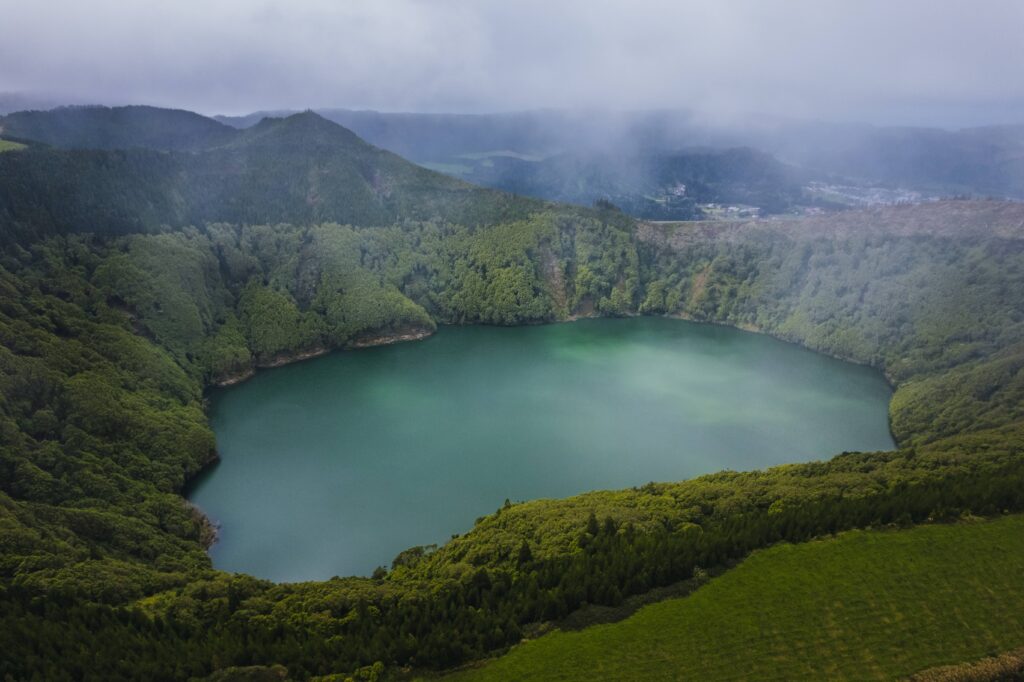
Rainfall is more frequent than in summer, and fog can obscure views at places such as Lagoa do Fogo and Sete Cidades. Some days bring clear spells between showers, but longer periods of unsettled weather are also possible. Plan an itinerary that remains enjoyable when the views are hidden.
Outside festive periods and other busy dates, some places can feel quieter. This gives you the opportunity to spend longer in a garden, explore a town or enjoy a visit without fitting several activities into the same day.
However, fewer visitors do not guarantee availability. Thermal experiences may require advance booking, and some attractions operate shorter hours or close for maintenance.
Vegetation, low clouds and shifting light give the scenery a different character. A lake partly covered in mist or a hillside catching the sunlight between showers can offer a very different experience from a summer visit.
Rain can also increase the flow of streams and waterfalls. Enjoy these views from safe, accessible places, respect restrictions and avoid approaching fast-flowing water for a photograph.
Cooler days lend themselves to warm-water bathing and meals that do not need to be rushed. Furnas offers gardens, geothermal scenery and regional food within the same area, allowing you to adjust the day to the conditions.
Cozido das Furnas, local soups and regional dishes can all form part of the experience. Check restaurant opening days and book ahead where necessary.
Furnas is worth including if you want to combine village walks, gardens and a thermal experience. You can organise the day with relatively few journeys and leave time for a leisurely lunch.
Before choosing a thermal pool, check opening arrangements, booking requirements and visitor rules. A reservation does not rule out changes caused by weather or operational issues.
Caldeira Velha may also be an option, subject to availability and opening conditions. Ferraria’s natural pool, however, is connected to the ocean: sea conditions and access are decisive, so it should not be treated as a guaranteed activity for bad weather.
Leave some flexibility to visit Sete Cidades or Lagoa do Fogo when conditions are favourable. Weather forecasts and webcam images can help you decide, although a webcam only shows one location at a particular moment.
If fog covers an area, consider another activity and return later or on a different day. Avoid repeatedly crossing the island in search of clear skies when the wider weather conditions are poor.
Winter days can also be spent discovering heritage, museums, shops and local food. Ponta Delgada and Ribeira Grande allow you to combine indoor visits with short walks when the rain eases.
Check opening hours, particularly at weekends and on public holidays. Having two or three alternatives in the same area makes planning easier and reduces unnecessary driving.
Winter does not rule out walking, but your route should suit the weather, ground conditions and your experience. Even a short trail can become challenging with mud, wind or accumulated rainfall.
Check official trail alerts before setting out and respect closures. Clear skies after heavy rain do not mean the ground has recovered. If conditions are uncertain, choose another activity.
Shorter days leave less time for outdoor activities. Prioritise important visits during daylight hours and avoid itineraries with too many stops or long journeys between areas.
Boat trips depend on ocean conditions and may be postponed or cancelled. If a sea excursion is important to you, leave some flexibility in your schedule and confirm arrangements with the operator.
Opening hours, maintenance work and restrictions on roads or visitor sites can also affect your plans. Reviewing the next day’s itinerary helps avoid unnecessary journeys, especially after unsettled weather.
Rather than assigning an essential visit to each day, group places by area and decide on your priorities. This allows you to swap a day of viewpoints for time in town without reorganising the whole trip.
Prepare specific alternatives: a museum you would enjoy, an open restaurant, a cultural visit or a thermal experience with a confirmed booking. These options make rainy days an enjoyable part of the holiday.
Where possible, leave space between your main activities. That flexibility allows you to postpone a visit and make better use of the conditions you find.
Layers make it easier to move between the coast, higher ground and indoor spaces. A waterproof jacket that protects against wind is particularly useful, along with water-resistant footwear with good grip.
Bring a change of clothes for days out and swimwear if you plan to visit thermal pools. Check each venue’s recommendations, including precautions for fabrics and belongings that may be stained by the mineral-rich water.
A small backpack gives you space for water, protection for your phone and an extra layer without returning to your accommodation.
Not necessarily. You may experience clear spells, scattered showers or more persistent rain. The important thing is to avoid relying on good weather every day and to prepare alternatives you will enjoy.
Yes, when access and weather conditions allow. Visibility can be the main limitation, particularly at higher elevations. Keep your visit dates flexible and respect any access restrictions.
Do not assume that every venue will be available. Opening hours, booking arrangements and maintenance closures vary, and weather can also cause changes. Confirm directly before planning your visit.
A stay of five to seven days can provide more flexibility to spread out visits and adjust your itinerary to the weather. A shorter trip can also work if you choose a few priorities and accept that you may not see every landscape.
Winter can be a good choice if you enjoy nature, thermal pools, local food and days that do not need to follow a fixed plan. It is less suitable if your main aim is a beach holiday or seeing every panoramic view during a very short stay.
With realistic expectations and appealing alternatives, you can enjoy the island beyond its best-known views. Exploring towns, trying regional food and spending longer in places you enjoy are all worthwhile parts of the trip.
Having a car can make it easier to combine visits and change plans, while allowing for the weather and road conditions. Grouping outings by area helps you use the daylight well without rushing whenever the sky clears.
Plan your trip with Amazing Island Rent-a-Car and explore São Miguel with the flexibility to adapt each day.